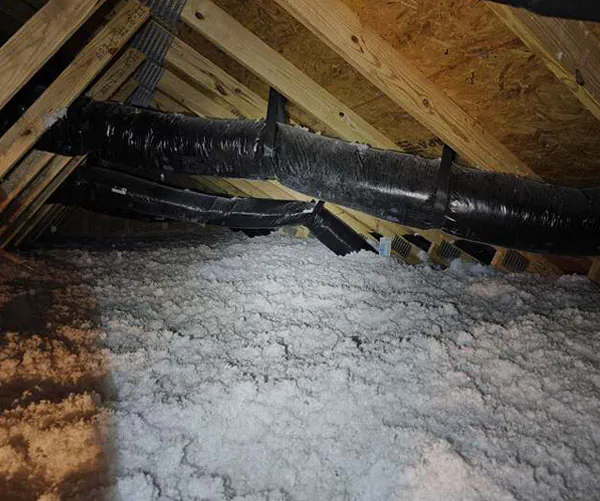
When homeowners start planning improvements, they usually think about a remodeled kitchen, updated windows, or a deck. Attic insulation rarely gets much attention because it’s hidden away and not something you can show off to guests.
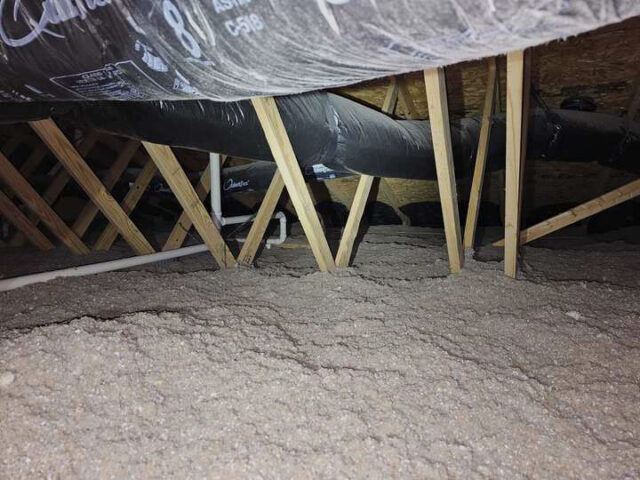 But insulation can help lower one of your biggest ongoing household expenses. Space heating and air conditioning use more energy in American homes than anything else, making up almost half of yearly energy costs.
So, is attic insulation worth it? For many Virginia homeowners, the answer is yes. Adding the right insulation for your home and climate can save you about 15% on electricity bills. A well-insulated and air-sealed attic can cut energy waste and help keep your home comfortable year-round.
Virginia’s current residential code sets a clear benchmark: R-60 ceiling insulation for new and renovated homes in Climate Zone 4.
Below, we’ll show how you can save, what Climate Zone 4A insulation requires, and what to expect from a professional attic upgrade.
A free insulation evaluation can reveal where you might be losing energy and determine if your attic meets today’s standards.
Why Attic Insulation Beats Flashier Home Improvements
The Recurring-Savings Logic
Some home improvements add comfort, style, or extra space. Attic insulation helps you save money on energy bills.
Heating and cooling use more household energy each year than lighting or water heating. The HVAC system generally accounts for about half of a home’s energy use.
Since heating and cooling costs are recurring, attic insulation is one of the most practical home improvements that save money.
The Verified Savings Numbers
Adding the right insulation for your home and climate can save you an average of 15% on electricity bills.
Air sealing and attic insulation are among the most cost-effective ways to cut heating and cooling bills. Since these savings add up every year, they can strengthen your attic insulation return on investment.
Comparison Framing
When looking to improve energy efficiency, many homeowners consider replacing windows first. While windows can be an issue, they aren’t always the best place to start.
Before committing to a big project, compare windows or insulation to see which is more likely to reduce energy loss.
What Virginia’s Climate Zone 4A Requires
The Climate Zone
Prince William County, including Manassas, and Frederick County, including Clear Brook and the Winchester area, are both in IECC Climate Zone 4A.
Zone 4A is considered mixed-humid, which means homes need heating in winter and cooling during Virginia’s hot, humid summers. Since the attic is affected in both seasons, effective Climate Zone 4A insulation should limit heat loss during cold months and heat gain during summer.
The R-Value Target
R-value shows how well insulation keeps heat from passing through. The higher the number, the greater the insulating power.
The 2021 Virginia Residential Code raised the ceiling-insulation requirement for new and renovated homes in Climate Zones 3 and 4 from R-49 to R-60. For homeowners researching the right attic R-value in Virginia, R-60 is now the standard for new and renovated homes in Climate Zone 4.
Existing homes aren’t required to upgrade, but older attics may have far less insulation than today’s standard. If you can see the floor joists or there are only a few inches of insulation, the attic is likely well below the R-60 attic insulation target in Virginia.
Upgrading an under-insulated attic can improve home energy efficiency in Virginia and help keep the house comfortable in summer and winter.
What a Professional Attic Upgrade Involves
Adding insulation is only part of an effective attic upgrade. The first step is to seal any spots where air can leak into the attic.
Air Sealing Comes First
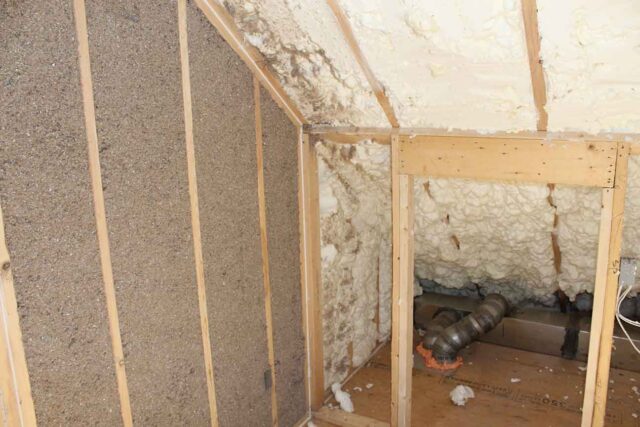 Attic floors often have gaps and cracks around wiring, plumbing, recessed fixtures, ducts, framing, and other openings. Heated or cooled air can escape through these areas even when insulation is already in place.
Be sure to seal all gaps, cracks, and penetrations in the attic floor before adding insulation. Fiberglass and cellulose slow down heat flow, but they can’t stop air from leaking through gaps.
That’s why professional air sealing should always be done first, not treated as an extra. Combining the two can also improve your air sealing and insulation savings.
Then the Insulation
Once the air leaks are sealed, blown-in fiberglass or cellulose can be added over the attic floor. Blown-in attic insulation can be added over existing material, fill uneven spaces, and provide more consistent coverage.
Depending on how much insulation you already have, the goal might be to add enough to reach R-49 or bring it up to the R-60 standard for new and renovated homes in Climate Zone 4.
Spray foam along the roofline is another option if you want to include the attic in your heated and cooled space. This guide to attic insulation methods for Virginia homes explains how blown-in insulation and spray foam differ.
Why Installation Quality Matters
The type of insulation material is only part of the picture. Gaps, compression, and poor installation can lower insulation performance by 30% or more.
Professional attic insulation services help ensure the insulation is the right depth, provides even coverage, and is installed carefully around pipes, wires, vents, and other openings—important considerations for attic insulation in Virginia.
Frequently Asked Questions
Is attic insulation worth it?
For many homes, yes. The right amount of insulation can save homeowners about 15% on electricity bills, improve comfort in summer and winter, and keep saving you money year after year.
What R-value does a Virginia attic need?
The 2021 Virginia Residential Code requires R-60 ceiling insulation for new and renovated homes in Climate Zone 4. Existing homes are not automatically required to meet that standard, but homes built under earlier codes may fall well below it.
Should I air seal before adding insulation?
Yes. Seal all attic-floor gaps, cracks, and penetrations before installing insulation. Fiberglass and cellulose slow heat flow, but they don’t stop air leakage.
How do I know if my attic is under-insulated?
If you can see the attic floor joists or there are only a few inches of insulation, the attic is likely well below the R-60 target. A professional evaluation can check the current level and determine where more insulation is needed.
Make Your Next Home Improvement Keep Paying You Back
Most home projects mean a one-time expense for a new feature. Attic insulation is different because it keeps lowering your heating and cooling costs every year.
For Virginia homes, two things matter most: aim for the right Zone 4A R-value and seal air leaks before adding insulation.
Southland Insulators offers attic insulation in Manassas and serves homeowners from its Clear Brook location who need attic insulation in Winchester, VA, and throughout Northern Virginia. Call (703) 368-1965 to schedule a free estimate and find out what your attic needs.