
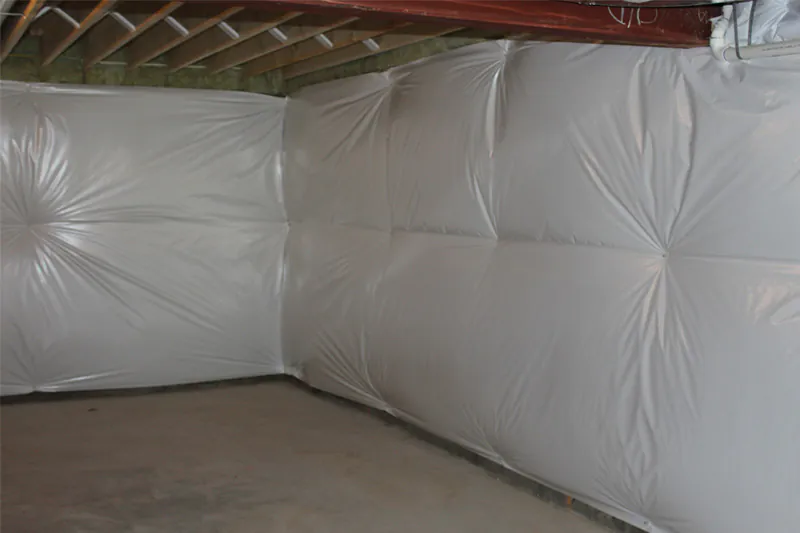
In Northern Virginia, summers bring heat and humidity, and winters bring biting cold, making year-round comfort feel like an endless, expensive quest. Many homeowners chase the problem upstairs while overlooking the room doing the most damage: the basement.
 Unlike the insulated walls and ceilings above grade, an uninsulated basement is in direct contact with the ground. The space gains or loses heat through the foundation, and leaks conditioned air through the rim joists and gaps around plumbing, electrical, and HVAC penetrations. Left unaddressed, it raises energy bills, creates cold floors and uneven temperatures throughout the house, and lets in the moisture that leads to humidity and mold problems.
The fix is straightforward and budget-friendly: properly insulate and air-seal the basement for the climate. This guide breaks down where energy escapes, which insulation is best for each location, and how to pair insulation with air sealing for the biggest return.
For many homeowners, basement insulation projects in Virginia are among the most cost-effective comfort upgrades available. The biggest losses come from uninsulated foundation walls, leaky rim joists, and unsealed penetrations. The right approach matches material to location, using rigid foam board or spray foam on foundation walls, closed-cell spray foam at the rim joists, and fiberglass or mineral wool batts on framed walls, all paired with air sealing and moisture control. ENERGY STAR estimates that air sealing and adding insulation in attics, floors over crawl spaces, and basements can save an average of 15% on heating and cooling costs.
Why Your Basement Is the Home’s Energy Nemesis
The Below-Grade Energy Drain
Your basement behaves differently from the rest of your home because it sits below grade and remains in constant contact with the surrounding soil. That makes it a year-round source of basement energy loss, affecting comfort and efficiency throughout the entire house.
Three primary factors drive energy loss in basements:
Direct contact with the ground. Foundation walls and floors continuously exchange heat with the surrounding soil. Without proper foundation wall insulation, heat escapes during winter and unwanted heat can enter during summer.
Air leaks and drafts. The rim joist insulation area is one of the most overlooked opportunities for energy savings. Located where the home’s framing meets the foundation, rim joists are often among the thinnest and leakiest sections of the building envelope. Gaps around plumbing lines, electrical wiring, and HVAC penetrations create additional pathways for conditioned air to escape.
Moisture intrusion. Below-grade spaces are naturally prone to humidity and water infiltration. Poor basement moisture control can affect comfort throughout the home and, if left unmanaged, contribute to mold growth and structural concerns.
The Climate Zone 4A Context
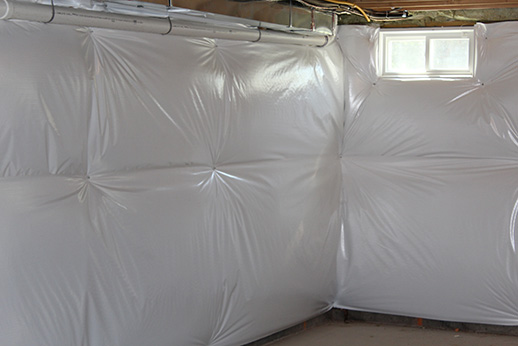 Solutions for basement insulation Northern Virginia homeowners need can be complicated. Under the energy code Virginia adopted from the 2021 IECC, communities such as Manassas and Winchester fall within IECC Climate Zone 4A, a mixed-humid climate characterized by hot, humid summers and cold winters. That means basements must help manage both temperature extremes and moisture throughout the year.
The U.S. Department of Energy notes that moisture control is particularly important in basements because they are susceptible to water intrusion, humidity, and mold issues. Proper insulation helps maintain more comfortable below-grade spaces while supporting moisture management and reducing unwanted air infiltration. For homeowners considering ways to improve their below-grade envelope, it can also be helpful to learn how to seal and insulate your crawl space.
Matching the Right Insulation to Each Part of the Basement
Foundation Walls
Foundation walls represent the largest below-grade surface area in most homes, making them a key focus for cost-effective basement insulation.
Rigid foam board insulation is often an excellent solution. Rigid foam can be used throughout the home, including below-grade applications, and performs particularly well on basement foundation walls. When installed and sealed properly, rigid foam basement walls can help improve energy efficiency while supporting moisture management.
Rim Joists: The High-Return Spot
The rim joist insulation area may be small, but it delivers an outsized return. These sections frequently allow air leakage, heat transfer, and moisture intrusion.
For many homes, spray foam rim joist applications provide an ideal solution because closed-cell spray foam both insulates and air-seals in a single step. This helps address two major problems at once while improving comfort throughout the home. Before insulating, any signs of water intrusion should be identified and managed, and penetrations should be properly sealed.
Framed Walls and Ceilings
For finished basement insulation projects or framed basement walls, batt insulation remains a practical option.
Fiberglass batts provide a budget-friendly solution for walls and ceilings, while mineral wool offers additional sound-dampening and fire-resistance properties. However, batts alone do not stop air movement. They should always be paired with professional air sealing to maximize performance and efficiency.
Three Properties That Determine the Right Match
When selecting insulation materials, three factors matter most:
- R-value: The material’s resistance to heat flow relative to available wall or cavity depth.
- Air-sealing capability: Whether the material seals air on its own or requires a separate sealing step.
- Moisture behavior: How the material performs in a humid, below-grade environment.
For Climate Zone 4A basement applications, ENERGY STAR recommends approximately R-10 continuous insulation or R-13 cavity insulation for basement walls. The Department of Energy also recommends foundation walls and first-floor perimeter areas reach approximately R-19 where appropriate.
What You Gain — and How to Get the Diagnosis Right
The Payoff of a Sealed, Insulated Basement
Addressing concerns about basement insulation in Virginia provides benefits that extend throughout the entire home.
Lower energy bills. Reducing heat transfer and air leakage decreases the workload placed on heating and cooling equipment.
Enhanced comfort. Properly insulated foundation walls and sealed rim joists help eliminate temperature swings, cold rooms, and the frustration of a cold basement floor.
Improved moisture control. Insulation and basement air sealing in Virginia strategies help regulate humidity and reduce condensation, supporting mold mitigation and improved indoor comfort.
Fewer entry points for pests. Sealing gaps around electrical, plumbing, and HVAC penetrations reduces common access points for insects and pests.
Added usable space and value. A more comfortable, drier basement becomes a functional living space rather than an area homeowners avoid.
ENERGY STAR estimates that air sealing and insulation improvements in basements, attics, and floors over crawl spaces can reduce heating and cooling costs by an average of 15%, making basement upgrades one of the most impactful home performance improvements available.
Start With a Diagnosis
The best insulation strategy starts with understanding your home’s current conditions. Water intrusion issues should always be identified and managed before installing insulation.
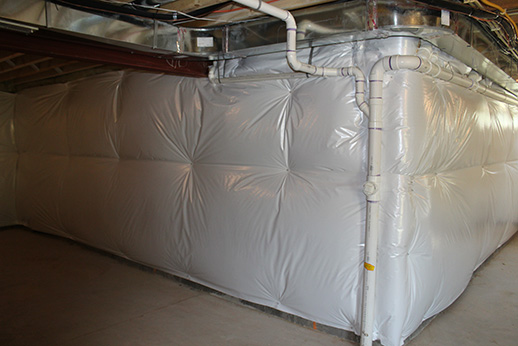 The Department of Energy notes that thermographic inspections can reveal hidden areas where insulation is missing, damaged, or ineffective. In Virginia’s mixed-humid climate, air sealing also plays a major role in controlling moisture movement through the building envelope. Virginia Cooperative Extension from Virginia Tech explains that unsealed penetrations and joints between conditioned and unconditioned areas let air carrying water vapor flow into enclosed spaces, which is part of why air sealing improves both comfort and moisture control in Zone 4A homes. Air carrying water vapor can move through unsealed penetrations and joints, affecting comfort and humidity levels throughout the home. Professional basement insulation services can help identify problem areas and recommend the right solution for your home.
Frequently Asked Questions
Q: Is basement insulation worth it in Virginia?
A: Yes. In mixed-humid Climate Zone 4A, an uninsulated basement loses heat to the ground in winter, gains it in summer, and leaks conditioned air through the rim joists — affecting comfort and bills across the whole house. ENERGY STAR estimates air sealing and insulating attics, floors over crawl spaces, and basements saves an average of 15% on heating and cooling costs.
Q: What is the best insulation for a basement?
A: There is no single best material — it depends on the location. Rigid foam board or interior spray foam suits foundation walls. Closed-cell spray foam is ideal for the rim joists because it air-seals and insulates in one step. Fiberglass or mineral wool batts work on framed walls and ceilings when paired with air sealing.
Q: What are rim joists, and why do they matter?
A: The rim joist (or band joist) is the edge of the floor framing that sits on top of the foundation wall. It is one of the thinnest, leakiest points in the home’s exterior, so sealing and insulating it delivers an outsized return in comfort and energy savings.
Q: Will basement insulation help with moisture?
A: Properly installed insulation and air sealing help regulate humidity and reduce condensation, which supports moisture control and mold mitigation. Because basements are prone to water intrusion, any active water issue should be identified and managed before insulating.
Q: What R-value should basement walls have in Northern Virginia?
A: ENERGY STAR’s recommendations for Climate Zone 4 place basement walls at about R-10 continuous or R-13 in a batt, and the DOE suggests conditioned foundation walls and the first-floor perimeter reach roughly R-19. A home assessment confirms what your basement currently has and how much to add.
Turn Your Basement Into an Asset, Not an Energy Drain
Your basement does not have to be your home’s energy nemesis. By insulating foundation walls, sealing and insulating rim joists, and pairing insulation with air sealing, you can transform a below-grade liability into lower energy bills, steadier temperatures, improved moisture control, and more usable living space.
Don’t let your basement be a heat thief. Southland Insulators serves homeowners across Manassas, Winchester, and Northern Virginia, and can recommend the right basement insulation for Virginia and an air-sealing approach for your home. Call (703) 368-1965 or contact us today to get started with a free estimate.
References
ENERGY STAR. “Methodology for Estimated Energy Savings from Cost-Effective Air Sealing and Insulating.” U.S. Environmental Protection Agency, www.energystar.gov/saveathome/seal_insulate/methodology.
ENERGY STAR. “Recommended Home Insulation R–Values.” U.S. Environmental Protection Agency, www.energystar.gov/saveathome/seal_insulate/identify-problems-you-want-fix/diy-checks-inspections/insulation-r-values.
U.S. Department of Energy. “Basement Insulation Systems — Building America Top Innovation.” Office of Energy Efficiency & Renewable Energy, www.energy.gov/cmei/buildings/articles/basement-insulation-systems-building-america-top-innovation.
U.S. Department of Energy. “Do-It-Yourself Home Energy Assessments.” Energy Saver, www.energy.gov/energysaver/do-it-yourself-home-energy-assessments.
U.S. Department of Energy. “Insulate Basement Walls in Conditioned Space — Weatherization Installer Job Aid.” Office of State and Community Energy Programs, June 2024, www.energy.gov/sites/default/files/2024-07/12-3_insulate-basement-walls-conditioned-space.pdf.
Virginia Cooperative Extension. “ENERGY SERIES: What about Moisture?” Virginia Tech, www.pubs.ext.vt.edu/2908/2908-9020/2908-9020.html.