A home remodel feels like the perfect moment to save money. You’re already knee-deep in home improvement decisions, so homeowners start pricing materials and watching videos, thinking insulation is something they can handle themselves. The local hardware store sells it. Tutorials make it look manageable. And the cost to hire an insulation contractor in Manassas, VA is real.
But insulation installation has a huge impact. Wrong installation means compressed R-values, improperly vented attics, code violations, and, in older Manassas and Winchester homes, direct contact with hazardous materials. Hiring a licensed insulation contractor, rather than DIYing, protects you from safety hazards, code failures, and costly performance gaps that come from improper installation.
This post walks through what professional insulation contractors actually do, why certain jobs genuinely require their expertise, and what to look for when hiring one in Northern Virginia. If you’re already past research mode, you can skip straight to getting a free estimate.
The Real Risks of DIY Insulation in Northern Virginia Homes
The idea of debating whether or not to hire an insulation contractor vs DIY projects might seem straightforward, but what actually goes wrong in real homes tells a different story. What seems like a simple cost-saving project often turns into a complex job with consequences that aren’t immediately visible but show up over time in higher energy bills and hidden damage.
First, there are real health hazards. Fiberglass insulation can irritate your skin, eyes, and lungs without proper protective equipment. Even short exposure in enclosed spaces like attics can cause respiratory discomfort. And in many 1960s–1980s Manassas and Winchester homes, disturbing existing insulation may expose asbestos, mold, or other contaminants that require specialized handling. Without proper identification, these materials can be spread through the home, creating a much larger problem.
 Then there’s structural risk. According to ENERGY STAR attic insulation guidelines, homeowners attempting DIY projects often step through attic floors, because attic joists aren’t designed to support full body weight across open spans. One wrong step can lead to injury or ceiling damage below. Tight attic spaces also increase the risk of damaging ductwork or wiring during installation.
Fire hazards are another major concern. Insulation installed too close to recessed lighting or in contact with older wiring systems, like knob-and-tube wiring still found in some Northern Virginia homes, creates a documented fire risk. Certain fixtures require clearance to prevent overheating. Identifying and correcting these issues is required before insulation can safely be added.
Even when safety isn’t compromised, performance failures are common. Compressed insulation batts, gaps around framing, and improperly installed vapor barriers all reduce effective R-value. Small gaps allow air to bypass insulation entirely, reducing efficiency. That means the insulation you paid for isn’t delivering the energy efficiency you expected.
These are the dangers of DIY insulation installation, and they’re why many projects end up costing more to fix than they would have to install correctly the first time.
What a Professional Insulation Contractor Knows That You Don’t
A professional insulation contractor in Winchester, VA understands something most DIYers don’t: insulation is a system, not just a product. It’s not about simply adding more material — it’s about how that material interacts with every part of your home’s envelope.
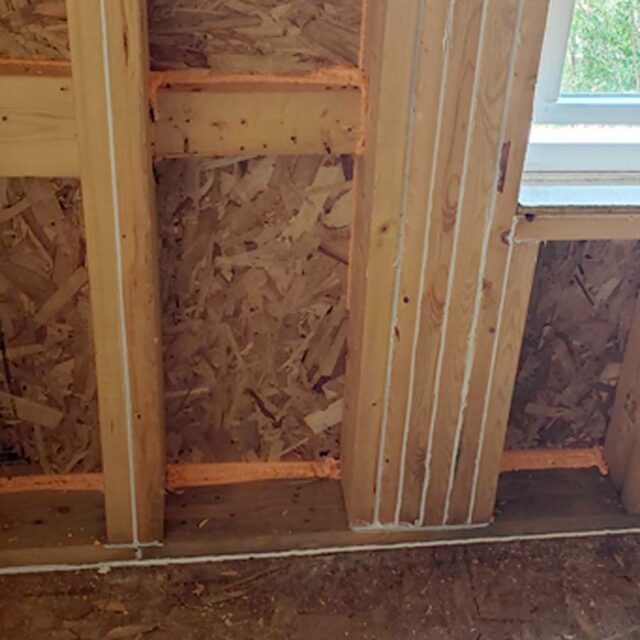 Building science matters. R-value, thermal bridging, vapor control, attic ventilation, and air sealing all work together. If one piece is wrong, the entire system underperforms. For example, adding insulation without proper air sealing can trap conditioned air leaks, while poor ventilation can lead to moisture buildup that degrades insulation over time. A trained contractor understands how these elements interact and how to install insulation for maximum performance, not just coverage.
Local knowledge matters too. Virginia building codes dictate minimum R-values by zones, permit requirements, and inspection standards. A qualified insulation contractor in Northern Virginia knows what’s required in Prince William County and Frederick County and ensures your project meets those standards. This isn’t just about compliance; it protects you from failed inspections, resale issues, and costly rework down the line.
Material access is another key difference. Contractors use professional-grade materials not available at retail, including advanced spray foam systems, high-performance cellulose equipment, and specialty air sealing products. These materials are designed to perform at a higher level and often require specific training and equipment to install correctly.
Most importantly, a professional starts with a diagnosis. Before installing anything, a professional assesses existing insulation levels, moisture intrusion, and air leakage pathways to select a product or approach. This prevents common DIY mistakes, such as installing new insulation over wet or ineffective material, which can lead to long-term performance issues and hidden damage.
Why a Remodel Is the Right Time to Upgrade — and Hire a Pro
When walls and ceilings are already open, you have a rare opportunity: full access to areas that are normally impossible to reach. Behind drywall and finished surfaces are the spaces where insulation performance is won or lost, such as wall cavities, rim joists, and hidden air leakage points that can’t be properly addressed once everything is sealed back up.
This is the ideal moment to upgrade insulation and the worst time to cut corners. What you do during this window directly impacts your home’s comfort, energy efficiency, and long-term durability. Skipping proper insulation or installing it incorrectly now often leads to uneven temperatures, higher utility bills, and moisture issues that are difficult to diagnose later.
A residential insulation contractor in Virginia can properly insulate cavities, seal gaps, and address problem areas before they’re closed up again. That includes sealing penetrations around wiring and plumbing, correcting ventilation pathways, and ensuring consistent insulation coverage throughout the space. Missing that window often means costly demolition later if issues arise, and means tearing into finished walls or ceilings to fix something that could have been handled during the remodel.
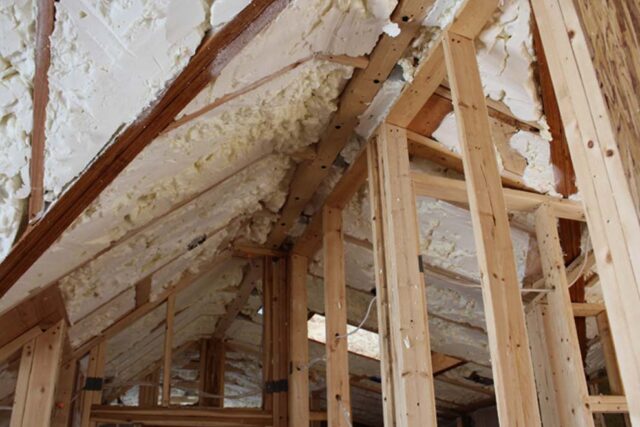
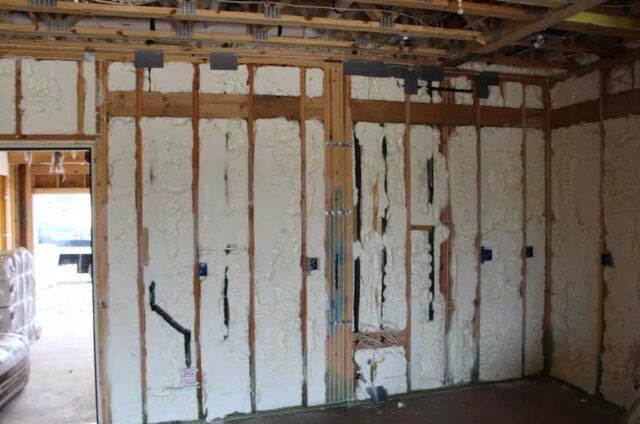
This is especially true for spray foam. It delivers both insulation and air sealing in a single application, making it one of the most effective options during a remodel. It fills gaps, adheres to irregular surfaces, and helps create a more controlled indoor environment. But it’s not a DIY product and should be handled by a spray foam contractor in Northern Virginia. It’s a two-component system that requires precise mixing, specialized equipment, and proper safety protocols. If applied incorrectly, it can fail to cure properly or underperform, rendering it entirely ineffective.
Beyond the Attic: Areas That Always Require a Professional
Some parts of the home simply aren’t suited for DIY insulation, no matter how confident you are. These areas involve tighter access, higher moisture exposure, or specialized installation methods that leave very little room for error.
Attics often require blown-in insulation, which depends on specialized equipment to achieve consistent coverage and proper density. Without it, performance suffers. Uneven distribution or insufficient depth can leave gaps that allow heat to escape, reducing overall efficiency. Proper attic insulation also requires air sealing before installation, something many DIYers overlook but that has a major impact on performance.
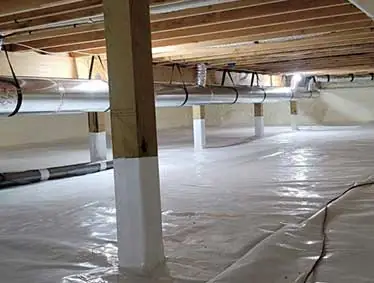 Crawl spaces are even more complex. Moisture control, vapor barriers, and ventilation must all be handled correctly to avoid mold and structural issues, especially in Virginia’s humid climate. Poorly installed insulation in a crawl space can trap moisture rather than control it, leading to wood rot and indoor air quality problems. This is why crawl space insulation in Manassas and Winchester is best left to professionals.
Exterior wall cavities are another example. The Department of Energy recommends professional installation for dense-pack insulation in existing walls, as it requires precision to reach the correct R-value without damaging the structure. Overfilling can bow drywall, while underfilling leaves voids that compromise efficiency.
Basement rim joists, a common source of air leakage, also require careful access and proper sealing techniques that most homeowners aren’t equipped to handle. These areas often involve working around electrical, plumbing, and structural components in tight spaces.
These are the areas where the question of should I DIY my attic insulation or hire a contractor has a clear answer.
What to Look for When Hiring an Insulation Contractor in Northern Virginia
If you’ve decided to move forward, choosing the right contractor matters just as much as the decision itself. Not all contractors approach insulation the same way, and the quality of the installation directly affects how well your home performs.
 Start with licensing and insurance. Virginia requires contractors to be licensed through the Department of Professional and Occupational Regulation (DPOR). A licensed insulation contractor in Northern VA should also carry liability and workers’ compensation insurance. This ensures you’re protected in the event of an on-site accident and confirms that the contractor meets state requirements to perform the work.
Look for manufacturer certifications. Contractors trained by insulation manufacturers are more likely to install products correctly and maintain warranty coverage. This is especially important for systems like spray foam, where improper installation can lead to performance issues or voided warranties.
Air sealing should always come first. ENERGY STAR guidelines emphasize that sealing air leaks is essential before adding insulation. If a contractor skips this step, that’s a red flag. Without proper air sealing, even high-quality insulation won’t perform as intended, and energy loss will continue through gaps and penetrations.
Finally, get a written estimate. It should clearly outline materials, R-values, scope of work, timeline, and cleanup procedures. A detailed estimate helps avoid misunderstandings and ensures you know exactly what you’re paying for before the project begins.
When you’re ready, you can schedule a free insulation estimate in Northern Virginia.
Frequently Asked Questions About Insulation in Manassas & Winchester, VA
Is insulation a good DIY project?
Some simple tasks — like laying unfaced fiberglass batts in an accessible attic — can be DIY. But blown-in insulation, spray foam, and work in moisture-prone crawl spaces or wall cavities require professional equipment and expertise. For any whole-home project, professional installation ensures code compliance and full R-value performance.
Do I need a permit to add insulation in Virginia?
Permit requirements vary by locality and project scope. Adding insulation to an existing home often does not require a permit, but work done as part of a remodel typically requires inspection. A licensed insulation contractor will be familiar with Prince William County and Frederick County permit requirements.
What is R-value and why does it matter?
R-value measures thermal resistance — the higher the number, the more effective the insulation. The U.S. Department of Energy recommends specific R-values based on climate zone; Northern Virginia falls in Zone 4, requiring attic R-values of R-38 to R-60.
How much does professional insulation installation cost in Northern Virginia?
Costs vary based on the type of insulation, area size, and existing conditions. A professional contractor will provide a written estimate after assessing your home. Most homeowners recoup the cost through energy savings within a few years.
Get It Done Right the First Time
The difference between DIY and professional insulation isn’t just about skill, it’s about building science knowledge, proper equipment, code compliance, and the ability to identify problems before they get worse.
When your home is already open during a remodel, the opportunity is there to do it right. Cutting corners at this stage often leads to higher costs later.
For Manassas and Winchester homeowners ready to move from research to results, Southland Insulators has been the trusted insulation partner in Northern Virginia since 1986.
Request Your Free Insulation Estimate Today: Call (703) 368-1965.
References:
“How to Hire an Attic Insulation Contractor.” ENERGY STAR, U.S. Environmental Protection Agency, www.energystar.gov/products/ask-the-experts/how-hire-attic-insulation-contractor. Accessed Apr. 2026.
“Types of Insulation.” Energy Saver, U.S. Department of Energy, www.energy.gov/energysaver/types-insulation. Accessed Apr. 2026.
“Where to Insulate in a Home.” Energy Saver, U.S. Department of Energy, www.energy.gov/energysaver/where-insulate-home. Accessed Apr. 2026.
“Attic Insulation Project.” ENERGY STAR, U.S. Environmental Protection Agency, www.energystar.gov/saveathome/seal_insulate/attic-insulation-project. Accessed Apr. 2026.
“Insulation Services in Manassas, VA.” Southland Insulators, southlandinsulators.com/insulation-services-in-manassas-va. Accessed Apr. 2026.
“Attic Insulation.” Southland Insulators, southlandinsulators.com/services/attic-insulation. Accessed Apr. 2026.
“Crawl Space Insulation.” Southland Insulators, southlandinsulators.com/services/crawl-space-insulation. Accessed Apr. 2026.