If you still picture fiberglass as the itchy insulation from years ago, you’re not alone. That perception has stuck around, along with assumptions about what fiberglass is, how safe it is, and how well it works.
 Those old assumptions can affect what homeowners do next. They may add insulation without dealing with air leaks or put off an upgrade because they’re worried about fire or mold. Others never check if their current fiberglass is doing its job.
These fiberglass insulation facts might surprise you. It’s largely made from recycled glass, is naturally non-combustible (so it doesn’t burn), and works best when paired with air sealing. Fiberglass comes in several forms, including fiberglass batt insulation, blown-in fiberglass insulation, rolls, and rigid fibrous forms for different areas of your home.
If you’re not sure which type of fiberglass is right for your Northern Virginia or Shenandoah Valley home, a free evaluation can help you find the best option.
What Fiberglass Insulation Is Actually Made Of
Fiberglass is made by spinning melted glass into thin fibers, then shaping them into different forms for use throughout a home.
Fiberglass isn’t a one-size-fits-all product. The type you choose depends on where you plan to install it.
One of the things you don’t know about fiberglass insulation may be how much recycled material it contains. Depending on the manufacturer, fiberglass insulation can contain 40% to 60% recycled content. In fact, calling it recycled content fiberglass insulation is often more accurate than most homeowners think.
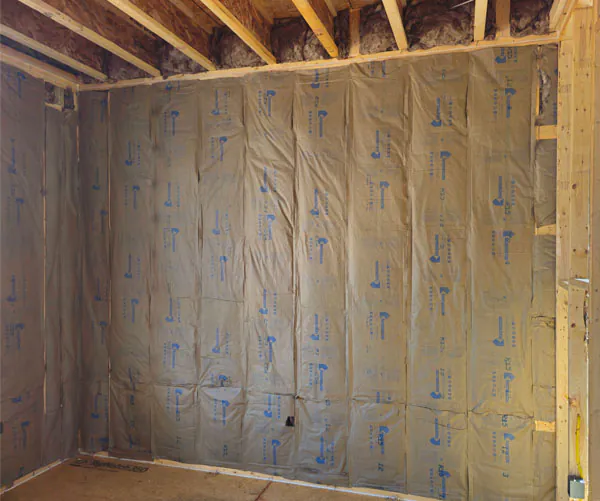
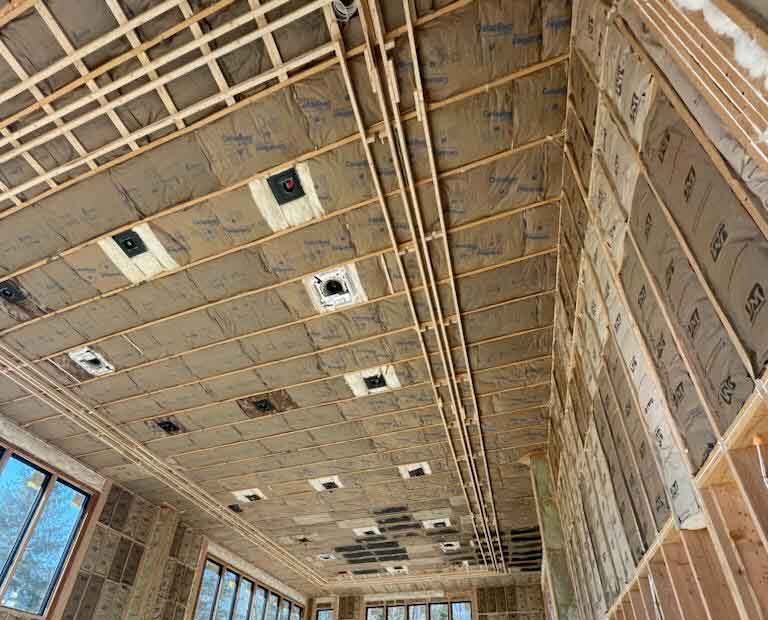
Fiberglass comes in batts, rolls, loose-fill, and rigid fibrous forms. Batts and rolls are a good fit for open, uniform spaces like unfinished walls, floors, and ceilings. Loose-fill works better in irregular areas, on attic floors, or inside enclosed cavities where batts are harder to fit cleanly.
Why Fiberglass Alone Won’t Stop Your
Energy Bills From Climbing
Fiberglass insulates your home, but it doesn’t seal air leaks.
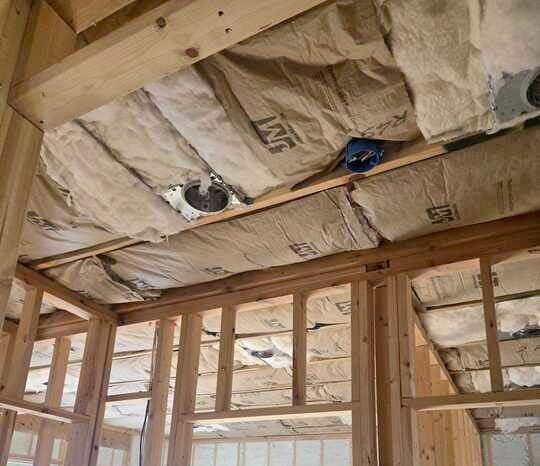 Insulation slows down heat moving through walls, ceilings, and floors. Air sealing, on the other hand, limits unwanted air movement through cracks, gaps, and openings.
Fiberglass, mineral wool, spray foam, and loose-fill cellulose all need separate air sealing to work as they should. No insulation alone is proven to create a continuous air barrier for the entire home.
If you’re deciding between fiberglass vs spray foam insulation, remember that the product is just one factor. How well your home is air sealed also affects how the insulation performs.
Homeowners can save approximately 15% on heating and cooling costs by air sealing and adding insulation in attics, floors above crawl spaces, and basements.
If your home already has fiberglass insulation but still feels drafty, air sealing fiberglass insulation may be part of the solution.
How Fiberglass Holds Up on Fire Safety and Performance
Air sealing is only one part of how insulation performs. Homeowners also want to know how fiberglass stands up to fire, moisture, and overall insulation effectiveness.
When it comes to fiberglass insulation fire safety, fiberglass insulation is naturally non-combustible.
Fiberglass and mineral wool don’t feed mold. Mold can still grow when moisture and organic material are present, so moisture has to be managed, and any existing mold may need to be mitigated or remediated.
No single insulation material automatically outperforms every other option. Different insulation types can work just as well when installed and air sealed correctly.
Where you live also matters when planning insulation. Prince William and Frederick counties both fall within IECC Climate Zone 4, which in this part of Virginia is Climate Zone 4A, a mixed-humid climate. For homeowners researching Climate Zone 4A insulation, attic insulation Northern Virginia, or the appropriate fiberglass insulation R-value, confirm current code-required R-values with an installer rather than relying on older guidelines.
Where Fiberglass Fits Best in a Virginia Home
Fiberglass batt insulation and rolls are best for easy-to-reach, regularly shaped spaces like open wall cavities, unfinished basement or crawl space walls, and floors above unconditioned spaces.
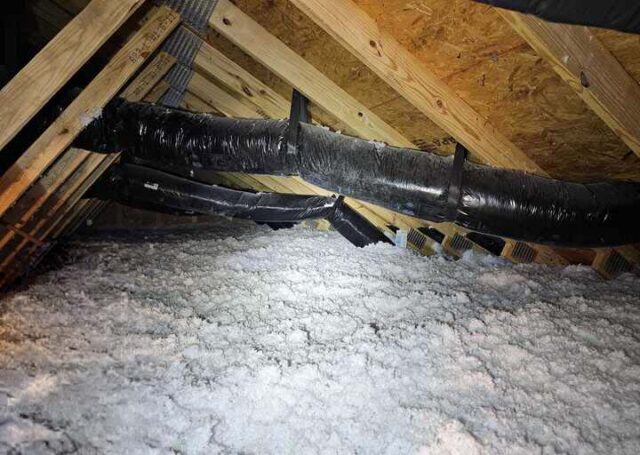 Blown-in fiberglass insulation is better for uneven attic floors and enclosed wall spaces where it’s hard to fit batts exactly.
Crawl spaces and finished basements may require a mix of solutions, especially if there are air leaks or moisture issues. In older crawl spaces or finished basements, you may need to address air sealing or moisture management along with insulation.
In these cases, fiberglass may need to be combined with other methods rather than used on its own. Learn more about Crawl Space Insulation.
Related reading: Learn About Batt Insulation in Virginia.
Frequently Asked Questions
Is fiberglass insulation safe to be around?
Fiberglass insulation has been used safely for many years. About 90% of residential fiberglass insulation is formaldehyde-free, and major health organizations don’t classify fiberglass as a carcinogen. Installers should still use proper handling and installation methods.
Does fiberglass insulation cause or feed mold?
No. Fiberglass isn’t a food source for mold. But if moisture is present, mold can still develop on nearby surfaces or debris, so you need to manage the moisture issue, and existing mold may need to be mitigated or remediated.
How much recycled material is in fiberglass insulation?
Fiberglass insulation contains roughly 40% to 60% recycled material, depending on the manufacturer and where it’s produced.
Do I still need air sealing if I already have fiberglass insulation?
Yes. Fiberglass itself doesn’t create a full air barrier for your home. You may still need air sealing around wiring, plumbing, framing, attic openings, and other gaps.
What climate zone is Northern Virginia in for insulation purposes?
Prince William and Frederick counties are in IECC Climate Zone 4A, which is mixed-humid. Homeowners should check the current required R-values with an installer instead of relying on old guidelines.
The Bottom Line on Fiberglass Insulation
Three fiberglass insulation facts are worth remembering: it contains a substantial amount of recycled glass, is naturally non-combustible, and needs to be paired with good air sealing to work well.
Choosing the right insulation is just one step. How well it’s installed and air sealed can matter just as much. If you’re planning an upgrade in the Manassas or Clear Brook/Winchester service areas, Southland Insulators can assess your home or building and help you decide which fiberglass option is best and if air sealing should be included.