
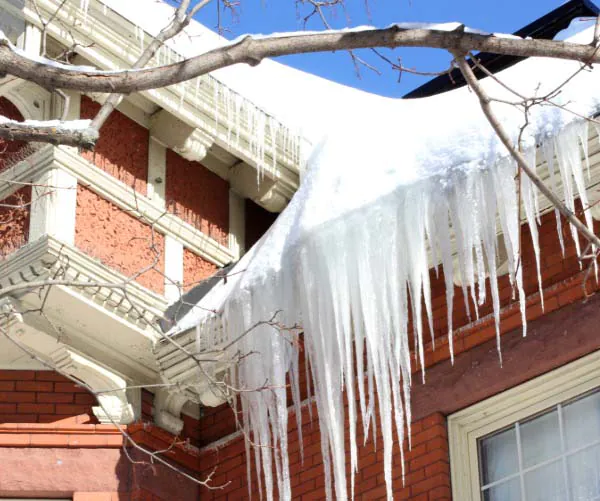
A row of icicles along the gutter may not seem like much after a winter storm. But when a brown stain appears on the bedroom ceiling a few days later, people usually suspect worn shingles or clogged gutters.
In many cases, though, what causes ice dams has little to do with the roof covering. Ice dams start in the attic, where escaping indoor heat warms the roof deck and melts the snow above. Water runs down to the colder eaves, freezes, and begins forming a ridge of ice that blocks drainage.
All three of these conditions must be present: snow on the roof, poorly sealed or under-insulated attic areas, and freezing temperatures. Once ice builds up, additional meltwater can back up beneath the shingles and damage walls, ceilings, and insulation.
Fixing damaged roofing materials can stop a leak for now, but it may not prevent another ice dam later. To prevent ice dams, start with a professional check of your attic’s heat loss, then improve air sealing, insulation, and roof ventilation.
What Causes Ice Dams (and Why It Isn’t the Roof)
The Three Ingredients
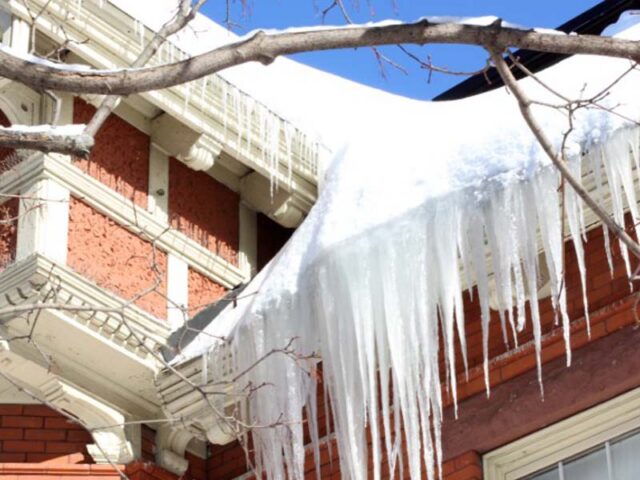 Two inches of snow may be enough to produce an ice dam under the right conditions. You don’t need a major winter storm. As snow melts on the roof, water flows toward the eaves. If those edges stay below freezing, the water refreezes. Each new melt cycle adds to the ridge until water can no longer drain freely.
Remove snow cover, excess attic heat, or freezing temperatures, and the conditions for an ice dam disappear. Of the three, homeowners and builders can address attic heat loss without waiting for the weather to cooperate.
Uneven Roof Temperatures
Not every part of a roof is the same temperature. The area above the heated part of the house can remain above 32°F, but the overhang often stays below freezing. Snow melts on the warmer area and then refreezes when it reaches the eave.
Most heat comes from inside the house, although sunlight can also contribute. Heat moves by conduction and radiation, but warm air escaping through convection is usually a bigger issue. It leaks out through gaps around recessed lights, plumbing stacks, flues, attic hatches, drywall seams, wall top plates, and exhaust fan housings. Chimneys, wood stoves, and leaky or poorly insulated attic ductwork can also add to the heat buildup.
With winter attic heat loss, snow can keep melting on the warmer section of the roof even when it’s freezing outside. Watch for heavy icicles at the roof edge, especially if a thick ridge of ice forms. Water may be building up behind it, even if you haven’t noticed a leak inside the house yet.
Why Zone 4A Winters Still Produce Ice Dams and Ice-Storm Damage
Mixed-Humid Does Not Mean Immune
In Manassas and Winchester, winter often means snow, rain, and freezing temperatures coming one after another. Sometimes, a few inches of snow melt during the day and freeze again at night. When this happens several times, ice can build up along the eaves.
Manassas and Prince William County, along with Winchester, Clear Brook, and the rest of Frederick County, are all in Climate Zone 4A under the 2021 IECC. The whole area is classified as mixed-humid, not Zone 5.
Here, the bigger concern isn’t how much snow falls, but how often temperatures rise and fall below freezing. Homeowners looking into attic insulation in Virginia should also consider where they live and how their roof is built, since insulation specifications can differ between Winchester vs. Northern Virginia insulation specs.
The Ice-Storm Variable
Freezing rain can cause problems by leaving a layer of ice on rooftops, sidewalks, trees, and power lines. If the National Weather Service expects around a quarter-inch or more of ice, it usually issues an Ice Storm Warning, since even that much ice can snap branches and bring down power lines.
Glaze ice along the roof edges can make drainage difficult, especially if attic heat melts snow higher up. Water pooling behind the ice can get into the attic and eventually reach the walls or ceilings, causing ice storm roof damage.
Let wet building materials dry out before starting any interior repairs. If moisture has caused mold or mildew, clean the affected areas and remediate any growth as part of the repairs.
The Attic Fix: Air Seal, Insulate, Ventilate (In That Order)
The most effective long-term measures address how heat gets into the attic and reaches the roof deck. Start at the ceiling, then add insulation and appropriate ventilation.
Step 1: Air Seal the Ceiling Plane
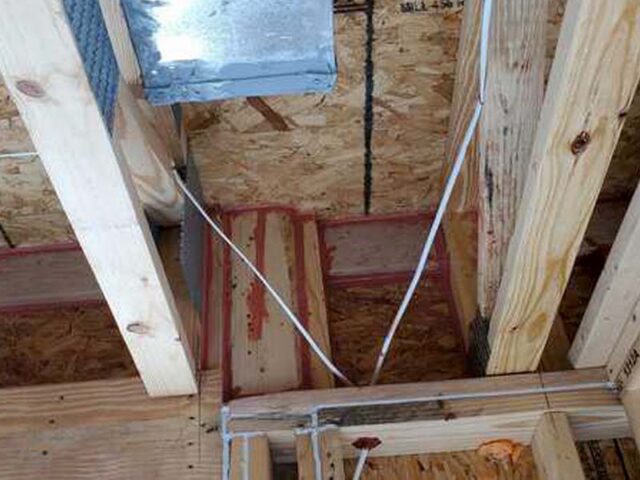 Look above a typical finished ceiling, and you’ll find plenty of places where heated air can escape. Wiring and plumbing penetrate the drywall, light fixtures interrupt the surface, and attic hatches aren’t always tightly sealed.
Professional air sealing closes these openings, including gaps along wall top plates, around exhaust fan housings, and at ceiling penetrations.
Attic air sealing is especially valuable because moving air can carry substantial heat into the attic. Reducing this roof deck heat loss starts with a continuous air barrier between the living space and the attic.
Sealing these leaks is the most important first step. Insulation should follow, not cover up gaps that remain open.
Step 2: Insulate to Stop Conductive Heat Loss
Once you seal the ceiling, insulation reduces heat transfer through the building assembly.
A conventional vented attic generally has insulation along the ceiling plane, with sealed drywall beneath it serving as the air barrier. Other designs may use rigid foam above the roof deck or closed-cell spray foam beneath the deck in an unvented attic.
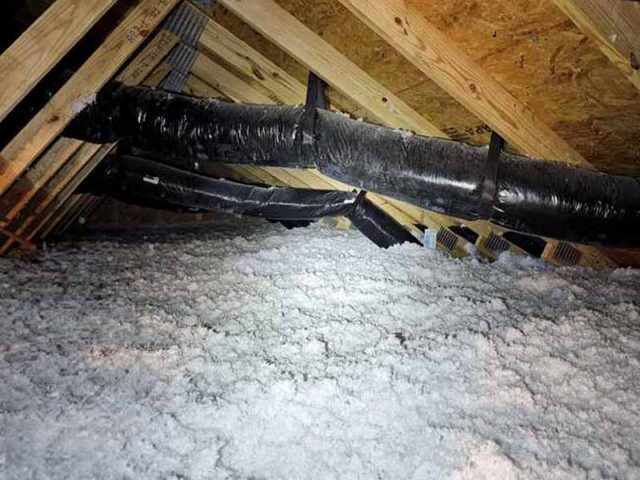 The choice of attic insulation depends on the roof assembly. Homeowners can also compare attic insulation methods when considering an upgrade.
The perimeter needs attention too. Conventional trusses sometimes leave little room for insulation above exterior walls. Raised-heel trusses provide space for full insulation depth over the top plates, reducing heat transfer near the eaves.
Step 3: Keep the Roof Deck Cold
A vented attic relies on outside air moving from soffit vents toward higher roof vents. Keep these passages clear to help maintain colder roof deck temperatures.
Attic ventilation baffles and insulation dams keep insulation from blocking the soffits and preserve airflow toward the ridge. The assembly should maintain at least a two-inch space between the insulation and the underside of the roof deck.
Powered attic fans aren’t recommended for ice-dam control. They may create negative pressure and draw warm, moist indoor air into the attic.
Self-adhered membrane at the eaves, often required by building codes, offers backup protection if water collects behind an ice dam. It does not correct the underlying heat loss.
What a Real Assessment Looks Like
During an attic inspection, a blower door test can help a contractor find where air is leaking into the attic. Infrared imaging may show other areas where heat is escaping. The inspection should also cover how much insulation is in place and whether the attic vents are blocked.
If an ice dam has already caused water damage, ceilings and walls should dry before interior repairs. The source of the heat loss also needs to be corrected. Tightening the house also requires checking that combustion appliances and exhaust systems have enough air to operate safely.
Reducing heat loss can also lower energy costs. By air sealing and adding insulation in attics, floors over crawl spaces, and accessible basement rim joists, homeowners can save an average of 15% on heating and cooling costs.
Frequently Asked Questions
What causes ice dams on a roof?
Snow, freezing temperatures, and too much heat escaping from the attic. When the upper roof warms above 32°F but the eaves stay below freezing, meltwater refreezes along the edge.
Do icicles mean I have an ice dam?
Not necessarily. Heavy icicles can indicate that melting snow is reaching the cold eaves. If water collects behind an ice ridge, it may work its way beneath the shingles.
How much snow does it take to form an ice dam?
Just two inches of snow can be enough. Freezing rain can make things worse by adding ice along the roof edges. And when a storm is expected to leave a quarter-inch or more of ice, an Ice Storm Warning may be issued.
Will a powered attic fan stop ice dams?
No. Powered fans can create negative pressure and moisture problems in the attic. Air sealing, insulation, and proper roof ventilation are preferable.
Can I remove an ice dam myself?
Removing snow from the roof eliminates one condition needed for ice dams, but roof rakes can damage roofing materials. Walking on an icy roof is dangerous. Leave removal to qualified professionals.
Does my attic need more insulation if I get ice dams?
Possibly. More insulation may help, but first seal the air leaks. If the ceiling or roof still needs insulation, the contractor can determine what’s appropriate for Climate Zone 4A attic insulation. Adding insulation over unsealed gaps won’t solve the problem.
Fix the Attic, Not Just the Roof
Ice may build up on the roof, but the attic is where you need to look for the cause. A professional can check for air leaks, inadequate insulation, and ventilation problems so you don’t have the same roof damage every winter.
Southland Insulators serves Northern Virginia, the Shenandoah Valley, Maryland, and West Virginia’s Eastern Panhandle through its Manassas and Clear Brook/Winchester branches. Schedule an attic evaluation to find out where heat is escaping before the next winter storm.
References
Antonopoulos, Chrissi, et al. Guide to Determining Climate Zone by County: Building America and IECC 2021 Updates. PNNL-33270, Pacific Northwest National Laboratory, Sept. 2022, www.pnnl.gov/main/publications/external/technical_reports/PNNL-33270.pdf.
“Attic Air Sealing, Insulating, and Ventilating for Ice Dam Prevention.” Building America Solution Center, Pacific Northwest National Laboratory, 30 Sept. 2021, basc.pnnl.gov/information/attic-air-sealing-insulating-and-ventilating-ice-dam-prevention.
Huelman, Patrick, et al. “Dealing with and Preventing Ice Dams.” University of Minnesota Extension, 2022, extension.umn.edu/protecting-home-rain-and-ice/dealing-and-preventing-ice-dams.
“Methodology for Estimated Energy Savings.” ENERGY STAR, U.S. Environmental Protection Agency, www.energystar.gov/saveathome/seal_insulate/methodology.
“Winter Weather Warnings, Watches and Advisories.” National Weather Service, National Oceanic and Atmospheric Administration, www.weather.gov/safety/winter-ww.